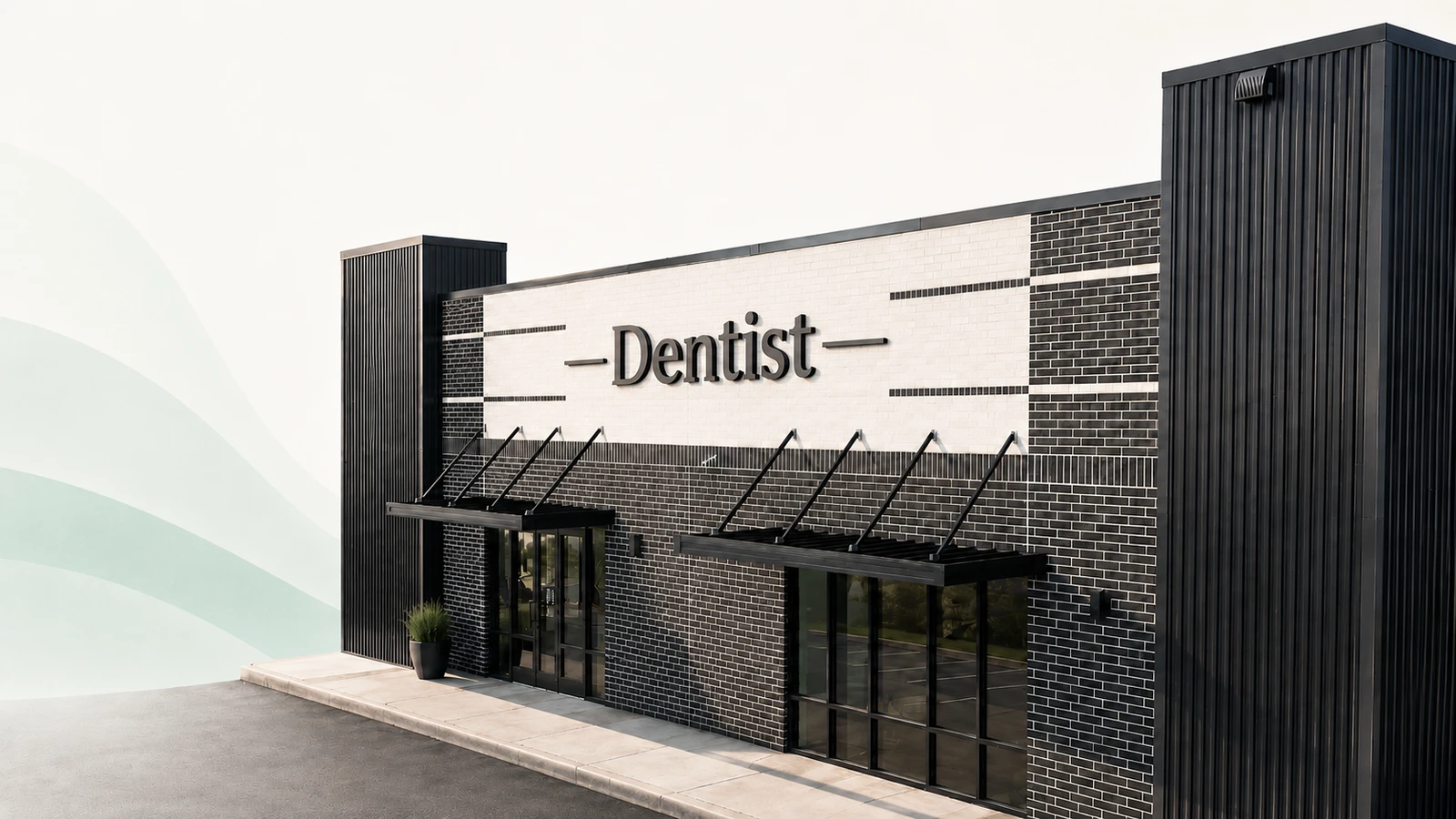
There is a category of commercial real estate that most accredited investors have driven past thousands of times and never thought about as an investment. It sits at the corner of a busy intersection in a growing suburb. The parking lot is full on a Tuesday morning. You have stopped there yourself — maybe to grab a coffee from the Dunkin' Donuts, pick up a sandwich from Jersey Mike's, or drop in for a dental cleaning. The tenants have been there for years. The center is not glamorous. It is useful. And that is exactly the point.
This is healthcare-anchored retail. And it is one of the most misunderstood — and under-allocated — asset classes in private real estate.
The Definition
Healthcare-anchored retail, sometimes called medtail, is a retail property — typically a strip center or multi-tenant building ranging from 5,000 to 40,000 square feet — where the anchor tenants are healthcare and health-adjacent service providers, surrounded by essential convenience and daily-needs businesses that draw consistent foot traffic from the surrounding residential base.
A typical tenant roster in one of our centers looks something like this: a dental office, an optometrist, a nail salon, a Dunkin' Donuts, a Jersey Mike's, and a local sushi restaurant. Some bays are national franchise names. Some are local owner-operators who have been in place for a decade. What they share is that every one of them serves a recurring need for the homeowners and families who live within a two-mile radius.
Who the Tenants Are
Across the more than 150 assets Ashton Gray Capital has developed — with hundreds of tenants represented — the tenant mix consistently falls across five categories. Healthcare providers represent the largest share at 65% of our stabilized portfolio. The specific providers we work with include:
• Dental and orthodontic practices — among the most durable retail tenants in existence, with multi-year leases and historically low default rates.
• Optometrists and vision centers — recurring, need-based patient visits that drive consistent foot traffic.
• Primary care clinics and family medicine groups — essential services that perform through recessions and rate cycles.
• Physical therapy and rehabilitation centers — a high-growth category driven by an aging population.
• Urgent care centers — often national or regional franchises with strong credit profiles.
Surrounding the healthcare anchors, you will find the essential convenience tenants that make the center a daily destination for the neighborhood: national QSR brands like Dunkin' Donuts and Jersey Mike's, local nail salons, local restaurants, banking and financial services, and other daily-needs operators. These tenants are not filler. They are the foot traffic engine that makes the center work for everyone in it.